Basement Flooded in Pendleton? Step by-Step Action Guide
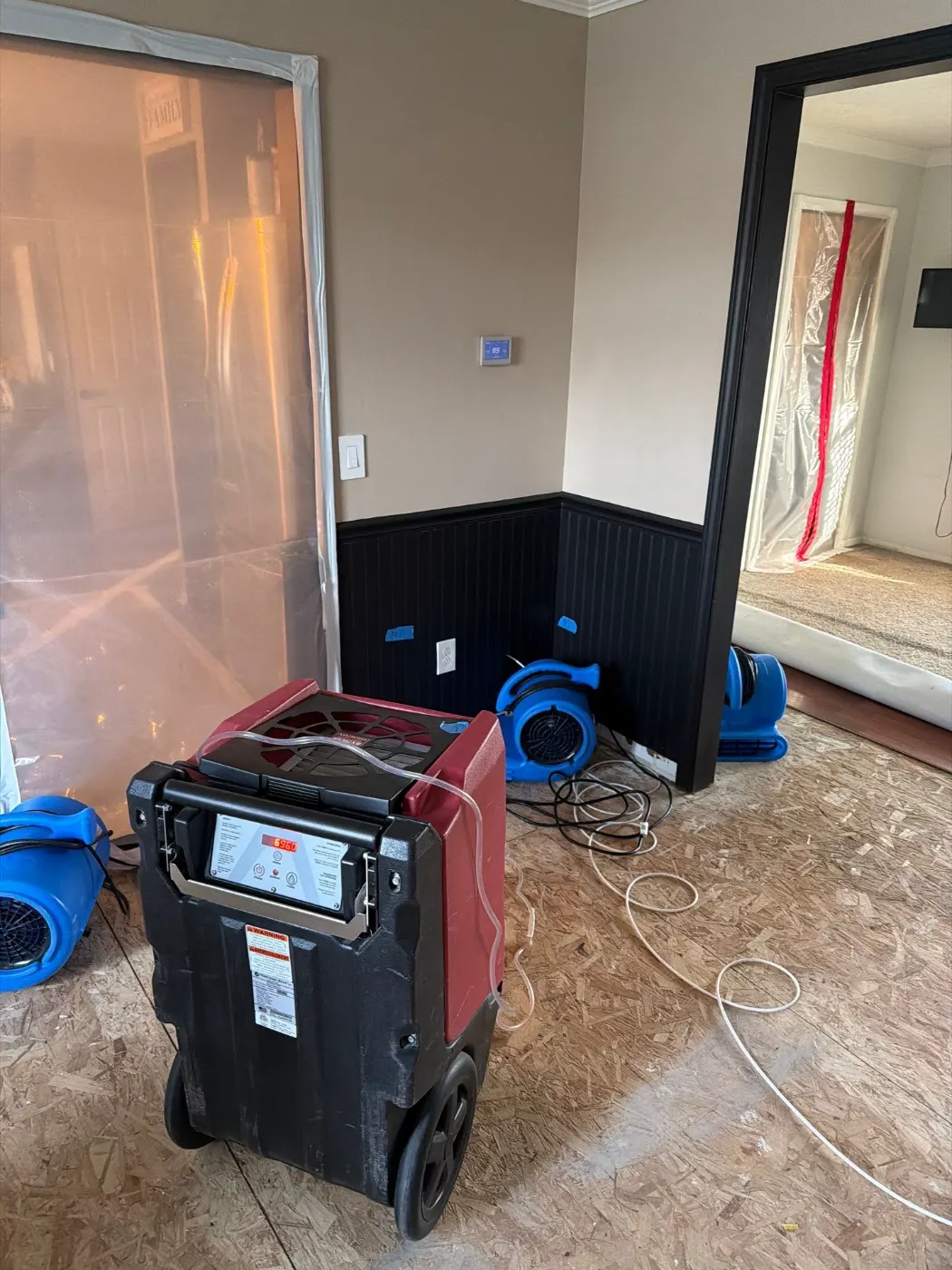
A flooded basement in Pendleton is one of those problems that gets worse every minute you wait. Water spreads across the slab, soaks into drywall and insulation, climbs up the studs through capillary action, and starts saturating anything stored on the floor. Within 24 to 48 hours, you are not just dealing with water anymore. You are dealing with bacteria, swelling subfloor, and the first signs of mold growth on the back side of your finished walls.
At Pendleton Water Restoration, we have responded to basement flooding calls across Pendleton since 2018, from finished walkout basements full of family photos to unfinished mechanical rooms with two inches of standing water around the furnace. The pattern is almost always the same. Homeowners know something is wrong, but they are not sure what to handle themselves and what needs a phone call. This guide walks through the real problems you will face in the first hours, and the specific solution for each one. We are IICRC certified, BBB A+ rated, and if your situation does not need full restoration, we will tell you directly.
Quick Answer
If your basement is flooding, prioritize safety first, stop the water source, document the damage, and call a 24 7 restoration team within the first hour. Acting fast limits mold growth, structural damage, and out of pocket costs. Pendleton Water Restoration responds to Pendleton basement floods around the clock with extraction, drying, and full restoration.
Immediate Steps in the First 60 Minutes
The first hour decides how much of your basement is salvageable. Move through these actions in order.
- Confirm safety. If water has reached outlets, the furnace, or the electrical panel, do not enter. Call your utility from outside.
- Cut power. Shut off the basement breaker only if the panel is dry and you can reach it without standing in water.
- Stop the source. Close the main water valve for burst pipes, or check the sump pump and discharge line for failures.
- Document everything. Take wide shots, close ups of damaged items, and a short video walkthrough before anything moves.
- Call for help. Reach a 24 7 restoration team and your insurance carrier in that order.
What Not to Do
- Do not use a household vacuum to remove water.
- Do not run the HVAC system, which can spread contamination.
- Do not throw items away before the adjuster sees them.
- Do not assume the water is clean. Sewage backup looks similar at first.
- Do not plug in space heaters or fans from a wet outlet to speed drying.
- Do not lift heavy soaked items like rugs or mattresses without help, as waterlogged materials can double in weight.
Identify the Water Category
IICRC standards classify water into three categories, and the category drives the cleanup process, the cost, and what your insurance will pay. A clean supply line leak is treated very differently than a sewer backup. For a deeper breakdown, see our explainer on Category 1 vs Category 2 vs Category 3 water damage.
| Category | Source Example | Risk Level | Typical Action |
|---|---|---|---|
| Category 1 (Clean) | Burst supply line, overflowing sink | Low | Extract, dry, monitor 3 to 5 days |
| Category 2 (Grey) | Washing machine, dishwasher discharge | Moderate | Extract, sanitize, replace porous materials |
| Category 3 (Black) | Sewage backup, ground water, storm flooding | High | Full PPE, removal of contaminated materials, antimicrobial treatment |
Most Pendleton basement floods from heavy rain, sump pump failure, or sewer line issues fall into Category 2 or Category 3. If you suspect sewage, keep pets and kids upstairs and review our sewage cleanup process before touching anything. Keep in mind that even clean water can shift categories within 48 hours if it sits against organic materials like wood framing, drywall, or carpet padding. That is one of the main reasons delaying extraction by even a day can change both the scope of work and the final invoice.
Timeline From Flood to Finish
- Hour 0 to 4: Emergency response, extraction begins
- Day 1 to 2: Material removal, drying equipment placed
- Day 3 to 5: Active drying with daily monitoring
- Day 5 to 7: Final moisture verification, equipment removed
- Week 2 onward: Reconstruction scheduled and completed
Cost and Insurance Realities
Basement flood restoration in Pendleton typically runs between $2,500 and $10,000 for residential jobs, with severe Category 3 events reaching $15,000 or more. Variables include square footage affected, water category, materials involved, and how quickly extraction begins.
What Insurance Usually Covers
- Sudden, accidental events like a burst pipe or appliance failure (standard homeowner policy)
- Sewer backup with a specific endorsement on your policy
- Surface flooding only with separate FEMA flood insurance
What Is Typically Excluded
- Long term seepage or gradual leaks
- Damage from a sump pump failure without an endorsement
- Negligence such as known but unrepaired plumbing issues
- Cosmetic upgrades beyond pre loss condition
Save every receipt, keep the damaged materials accessible until the adjuster signs off, and request a copy of the moisture log from your restoration company. If you are unsure what your policy includes, our guide on homeowners insurance and water damage coverage walks through the common gaps.
Preventing the Next Basement Flood
Once the immediate damage is handled, the smartest investment is making sure it does not happen again. Most repeat basement floods in Pendleton trace back to two or three fixable issues.
- Install a battery backup sump pump. Primary pumps fail during the same storms that knock out power.
- Add a water sensor or smart shutoff valve. These can pay for themselves the first time they catch a slow leak.
- Extend downspouts at least 6 feet from the foundation and check that grading slopes away from the house.
- Inspect the sewer cleanout annually if you have mature trees or a home older than 40 years.
- Test the sump pump every spring by pouring a bucket of water into the pit and confirming the float engages.
A few hundred dollars in prevention typically beats a five figure restoration claim. If you want a professional assessment after a flood, Pendleton Water Restoration can walk through your basement and flag the weak points before the next storm arrives in Pendleton.
When You Are Ready, We Are Already Moving
Pendleton Water Restoration dispatches IICRC certified crews across Pendleton 24 hours a day, and we will tell you honestly on the phone whether your situation needs us, a plumber, or just a fan and patience. No pressure, no inflated scope. If you want a second set of eyes on a wet basement tonight, call and we will walk you through it from the first photo to the final moisture reading.
What Professional Restoration Looks Like
When Pendleton Water Restoration arrives at a flooded basement in Pendleton, the work follows a predictable sequence. Knowing it helps you ask the right questions and spot shortcuts other companies take.
Standard Restoration Phases
- Inspection and moisture mapping using thermal imaging and pin meters to find hidden water in walls and subfloor.
- Water extraction with truck mounted or portable units, typically 100 to 500 gallons per hour depending on access.
- Removal of unsalvageable materials such as soaked drywall (cut at 24 inches), wet insulation, and delaminated flooring.
- Structural drying with air movers and commercial dehumidifiers, generally running 3 to 5 days.
- Antimicrobial application on framing, slab, and remaining materials.
- Daily moisture readings documented for your insurance file.
- Reconstruction of drywall, flooring, paint, and trim once dry standards are met.
Questions to Ask Before Signing a Work Authorization
- Are you IICRC certified, and which technicians on this job hold the credential?
- Will you provide daily moisture logs and a final dry certificate?
- Do you bill insurance directly, and what is my expected out of pocket cost?
- Is reconstruction handled in house or partner?
- What is your warranty on the drying and antimicrobial work?
Frequently Asked Questions
How fast can Pendleton Water Restoration get to my Pendleton home after a basement flood?
Our standard emergency response in Pendleton and surrounding Central Indiana areas is 60 to 90 minutes from your call, 24 hours a day. Dispatch confirms ETA when you call and the crew arrives with extraction equipment ready to start immediately.
Will my homeowners insurance cover the basement flood cleanup?
It depends on the cause. Sudden internal failures like burst pipes and appliance leaks are usually covered. Groundwater seepage and sewer backups often require separate endorsements. Pendleton Water Restoration documents the cause and damage in adjuster-ready language to give your claim the best chance of approval.
How much does professional basement flood cleanup cost in Pendleton?
Most residential basement mitigation in Pendleton falls between $2,500 and $7,500 for water extraction, drying, and antimicrobial treatment. Category 3 sewage events or large finished basements can run higher. Pendleton Water Restoration provides a written estimate before work begins.
Can you save my finished basement carpet and drywall?
Often yes, if we start within 24 to 48 hours and the water was Category 1 or 2. Carpet pad is almost always replaced, but the carpet itself and drywall above the waterline can frequently be dried in place and saved with proper equipment.
What if my sump pump keeps failing during Pendleton storms?
A failing sump pump during heavy rain is one of the most common basement flood causes we see. After mitigation we can recommend a battery backup or secondary pump setup, and our crew can coordinate with a licensed plumber to make sure the next storm does not put you back in the same spot.
Have a restoration question?
Our IICRC certified Pendleton crew is ready to help. Free assessments, estimate based on what we can sees, no pressure.